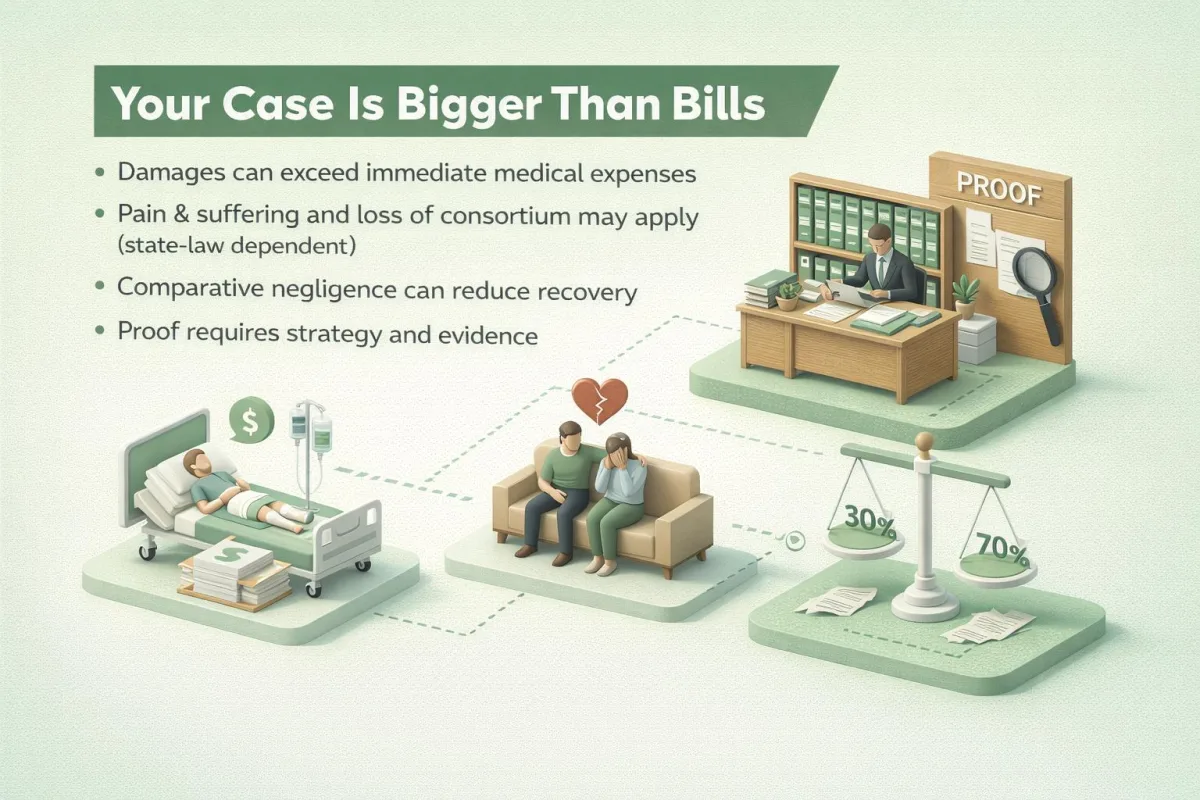

Valuing the Intangible. In the complex world of personal injury claims, determining the exact financial worth of "pain and suffering" in a slip and fall case is notoriously challenging. Because these are non-economic damages, they do not come with a neat stack of medical receipts or pay stubs.
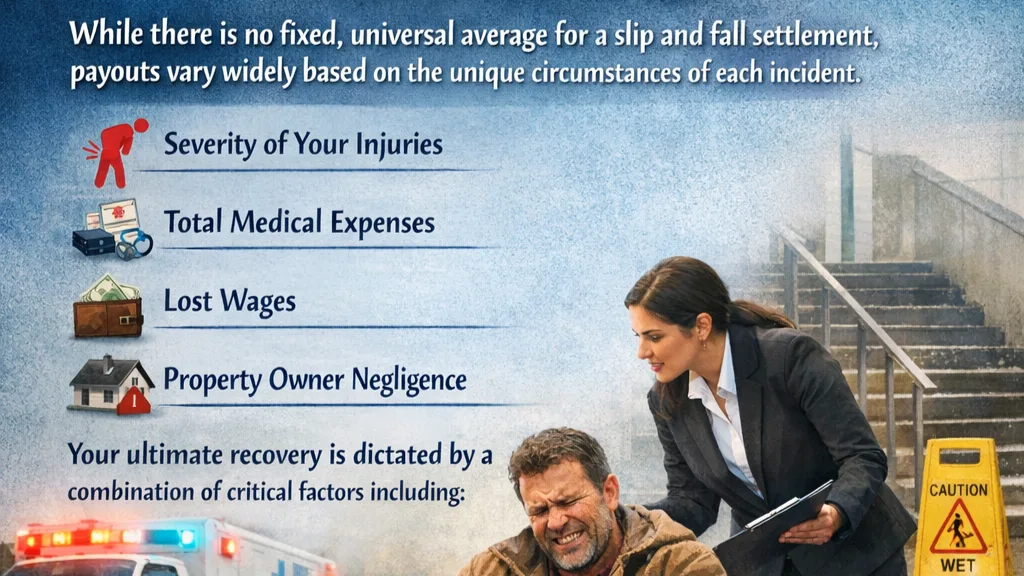
Typically, compensation specifically allocated for pain and suffering in slip and fall cases ranges anywhere from $2,000 to $100,000 or more. When looking at the total overall payout for a slip and fall injury—which combines medical bills, lost wages, and pain and suffering—the average settlement often falls between $10,000 and $50,000. However, these figures are baseline averages; the ultimate settlement amount depends entirely on the unique nuances of each individual claim.
How Insurance Companies and Attorneys Calculate Pain and Suffering
To turn abstract physical and emotional distress into a concrete dollar amount, the legal and insurance industries generally rely on two primary calculation methods:
1. The Multiplier Method
This is the most common approach used by personal injury lawyers and insurance adjusters.
How it works: Your actual, quantifiable economic damages (such as your medical bills and lost wages) are added together. That total is then multiplied by a number—typically between 1.5 and 5—depending on the severity of your situation.
The Scale: A minor sprain with a quick recovery might use a 1.5 multiplier, whereas a severe injury requiring surgery, permanent hardware, or long-term physical therapy could justify a multiplier of 4 or 5.
2. The Per Diem Method
This approach calculates pain and suffering based on a daily rate.
How it works: A specific, reasonable daily dollar amount (often equivalent to your daily work earnings) is assigned to your suffering.
The Timeline: You are paid that daily amount from the exact date of the slip and fall incident until you reach Maximum Medical Improvement (MMI), meaning you have fully recovered or healed as much as medically possible.
Key Factors That Dictate Your Case Value
A variety of moving parts can push a slip and fall settlement toward the higher or lower end of the spectrum, including:
Severity and Permanence of the Injury: Broken bones, traumatic brain injuries (TBIs), or slipped discs requiring spinal fusion command significantly higher pain and suffering values than soft-tissue bruising or minor strains.
Impact on Daily Living: If your injuries prevent you from engaging in your career, enjoying your hobbies, or caring for your children, your non-economic valuation increases.
The Clear Defect of the Property: Cases with indisputable proof of property owner negligence (e.g., a ignored, long-standing roof leak in a retail aisle) naturally yield higher settlements.
Comparative Fault: If an insurance company can prove you were partially distracted (such as looking at your phone when you fell), your total compensation may be reduced by your percentage of fault.
Secure Trusted Legal Guidance: Because navigating insurance calculators can be incredibly difficult on your own, having an experienced professional advocate on your behalf is vital. For an efficient path to elite legal representation, visit CALL PERSONAL INJURY and check out their YouTube channel to secure a fabulous, highly effective attorney tailored to your specific case.